Introduction
As summer season approaches, the sweltering warmth can flip your cushy dwelling house into an uncomfortable sauna. Air conditioning techniques turned into basic, but the query arises: can you install your personal air conditioner? With a transforming into fashion in direction of DIY initiatives, many householders are excited by taking matters into their own palms. This article delves into the fine details of DIY AC installation, exploring no matter if it’s extremely conceivable for the general property owner or more advantageous left to the execs.
Understanding the Basics of Air Conditioning Systems
What is an Air Conditioner?
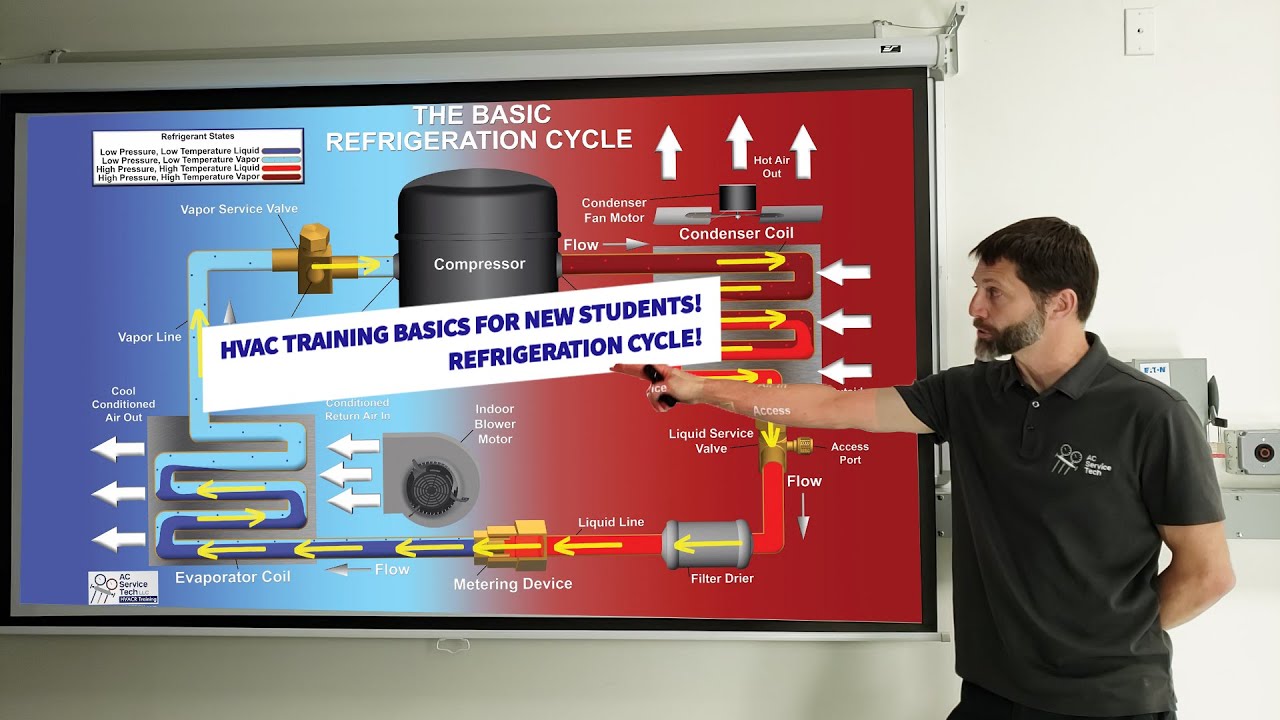
An air conditioner (AC) is a approach designed to alter indoor temperatures by removing warmness from a particular facet and expelling it open air. It operates on the rules of thermodynamics, concerning refrigerants that take in and free up heat.
Types of Air Conditioners
When contemplating a DIY AC deploy, it's quintessential to know the totally different forms of air conditioners handy:
- Window Units: Compact sets the best option for single rooms. Affordable yet will also be less helpful for greater spaces. Portable ACs: Versatile and effortless to maneuver yet would require venting via a window. Split Systems: Comprising two sets (indoor and outdoor), supplying green cooling for whole homes but challenging to install. Central Air Conditioning: Best for monstrous properties, utilizing ducts to distribute cool air in the time of.
Choosing the Right Air Conditioner
What Size of AC Unit Do I Need?
Determining the right kind length is quintessential. An undersized unit will combat to cool your house, even though an outsized unit will cycle on and stale too more commonly, major to inefficiency. The fashionable rule of thumb is:
- Calculate your room's square photos. Use BTU (British Thermal Units) rankings as a booklet. Typically, you want about 20 BTUs per square foot.
| Room Size (sq ft) | Recommended BTUs | |-------------------|------------------| | one hundred - three hundred | five,000 - 7,000 | | three hundred - 600 | 7,000 - 14,000 | | 600 - 1,000 | 14,000 - 25,000 |
How Do I Know What Type of Air Conditioner to Buy?
Choosing an AC entails evaluating several components:
Room Size: Larger rooms require extra successful units. Energy Efficiency: Look for devices with prime SEER (Seasonal Energy Efficiency Ratio) rankings. Installation Feasibility: Some styles are less demanding for DIY install than others. Cost: Factor in either preliminary buy rate and lengthy-time period operational quotes.DIY AC Installation: Can You Really Do It Yourself?
The resolution isn’t ordinary; it relies extensively for your skills and feel. While many house owners efficiently accomplished their very own installations, there are complexities concerned which could cause mistakes if one isn’t cautious.
Pros of DIY Installation
Cost Savings: Avoid exertions costs through dealing with installing yourself. Flexibility: Choose your time table with out looking ahead to reputable availability. Learning Experience: Gain important talent and data about HVAC platforms.Cons of DIY Installation
Potential Errors: Mistakes can result in inefficient operation or even wreck to the unit. Safety Risks: Working with electric additives poses protection risks if no longer dealt with safely. Warranty Issues: Many brands void warranties if installations aren’t finished through licensed execs.Preparing for Your DIY AC Installation
Gather Necessary Tools and Equipment
Before diving into set up, be sure you've got you have got every part you desire:
- Screwdrivers Wrenches Level Tape measure Drill Safety goggles and gloves
Read the Instruction Manual Thoroughly
Each air con unit comes with distinctive training that should be observed closely for correct deploy and greatest overall performance.
Step-through-Step Guide to Installing Your Own AC Unit
Step 1: Choosing an Installation Location
Select a situation that helps ample airflow the two indoors and outdoors even as being without problems out there for upkeep.
Step 2: Mounting the Indoor Unit
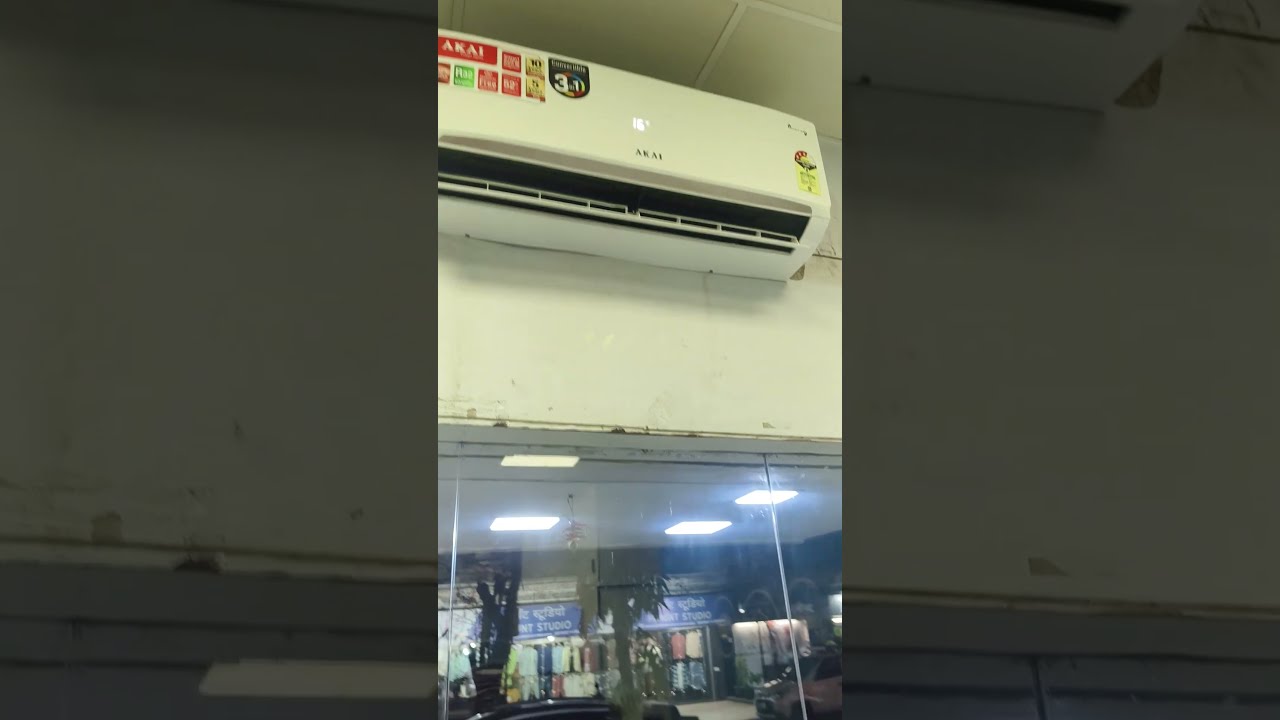
If you might be fitting a split method:
Use a stage to mark the place the indoor unit will hang on the wall. Drill holes as distinct within the handbook for mounting brackets.Step three: Installing the Outdoor Unit
Place the outdoor condenser on a sturdy surface like concrete pads or brackets—making sure genuine drainage far from your house.
Step four: Connecting Electrical Lines
Follow safety protocols while connecting force strains:
Turn off electrical energy at the breaker box before start work. Connect wires based on brand specifications; mistaken wiring can lead to fires or system failure.Step five: Sealing Refrigerant Lines
Ensure all connections are tight and thoroughly insulated with foam tape or comparable elements to keep away from power loss.
Testing Your Newly Installed AC System
Once every little thing is attached:
Turn on electricity on the breaker container. Switch for your unit with the aid of far flung management or wall thermostat. Monitor performance—cost airflow temperature after walking for a couple of minutes; it could be particularly cooler than room temperature.FAQ Section
Q1: Can I Install My Own AC Unit?
Yes! Many owners correctly comprehensive their own installations; notwithstanding, it requires cautious making plans and adherence to defense protocols.
Q2: How Much Does Professional AC Installation Cost?
Professional expenses vary commonly primarily based on region yet many times differ from $500-$2000 based on complexity and kind of unit hooked up.
Q3: Where Can I Buy Air Conditioner Online?
Several respectable merchants sell air conditioners on line—appear out for visitor reviews when deciding to buy from sites like Amazon or specialised HVAC outlets like acprices.ca.
Q4: Are There Any Local Regulations Regarding AC Installation?
Yes! Check native construction codes which may well dictate exclusive requirements related to HVAC installations—failure to comply may possibly result in fines or obligatory removing of non-compliant contraptions.
Q5: What Maintenance Is Required After Installation?
Regular repairs carries replacing filters each and every few months, cleaning coils annually, checking refrigerant tiers, and making sure drainage procedures paintings proper.
Q6: How Do I Find The Best AC Companies in Canada?
You can search online directories like acprices.ca which provide https://lukashxqr492.theburnward.com/how-to-know-what-type-of-air-conditioner-to-buy-for-your-home rankings founded on consumer reviews and provider fine—making certain you make a selection legit suppliers while wished!
Conclusion
In end, at the same time project a DIY AC deploy could appear daunting to start with glance, with sufficient practise and understanding it’s utterly achieveable! From knowledge what length unit matches your demands ultimate because of gaining knowledge of how every single element works collectively—the adventure can even simply empower you in addition as a home-owner! Remember consistently prioritize safety peculiarly else all the way through installation processes; if doubtful don’t hesitate achieving out gurus indexed at superb AC organisation listing Canada acprices.ca!
With summer season good around nook don’t let agony get you down—equip yourself as of late by making an investment time getting to know merchandise feasible sooner than making selections no matter if hire gurus professional tradespeople or take plunge into exciting global do-it-yourself projects!
This article promises complete insights into DIY air con installation at the same time sustaining professionalism all the way through its content material—encouraging readers explore preferences with a bit of luck!